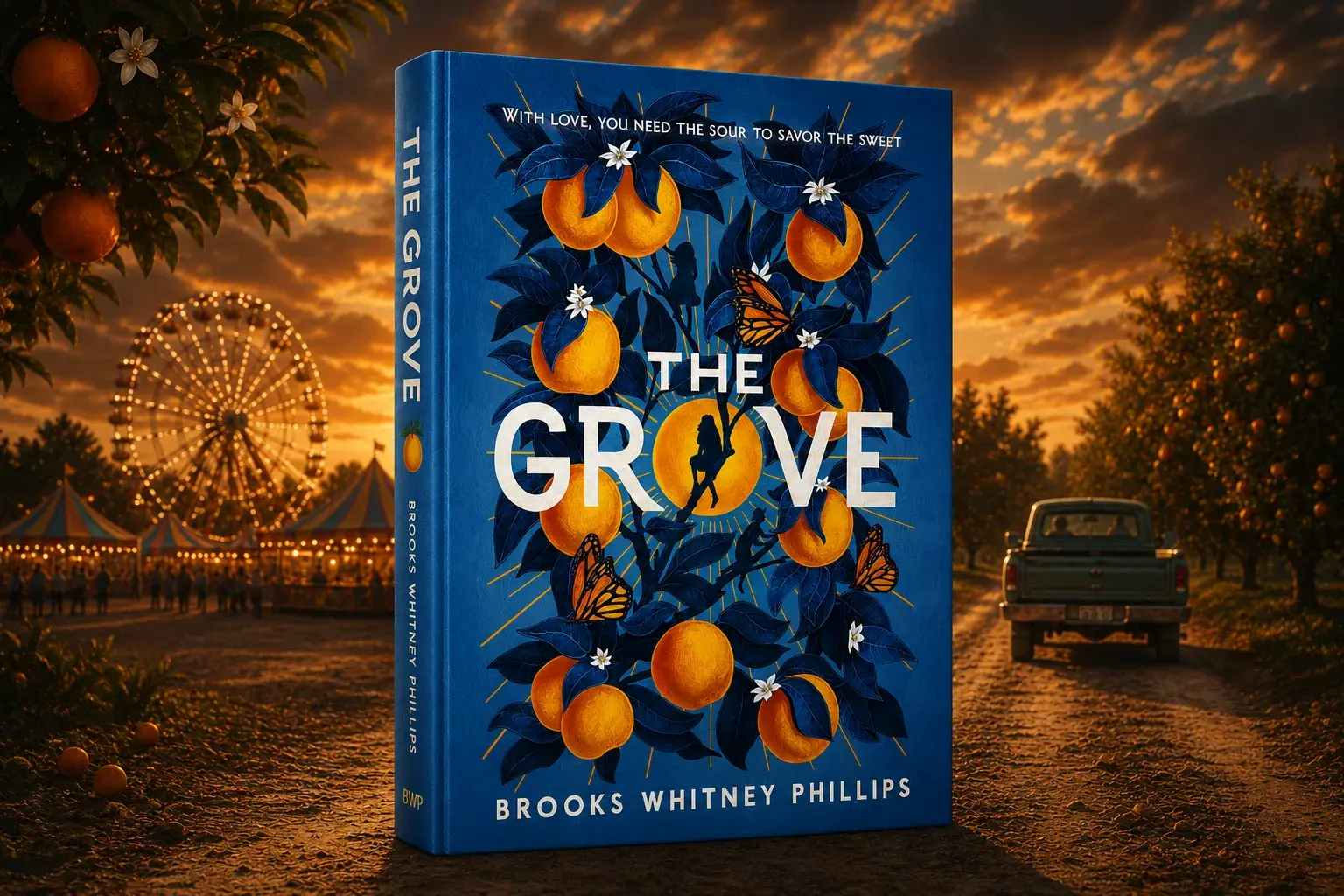
In isolated rural communities of mid-century America, the traveling carnival was not simply an amusement. It was the moment when the world—the wide, improbable, possible world—arrived at the edge of town and stayed for a week.
The American traveling carnival reached its cultural peak in the decades following World War II. By the 1950s and into the 1960s, hundreds of carnivals moved through the American interior each year, following a circuit of county fairs, small towns, and open lots that put them, for a few days or a week, in places that had little other entertainment.
For a rural family in Central Florida in 1962—before television was universal, before the interstate made distant cities accessible—the arrival of a carnival meant something that is difficult to fully appreciate from the present. It meant music and light and strangers. It meant beauty of a specific kind: artificial, temporary, and all the more vivid for being both.
The Social World of the Carnival
Carnival workers—called “carnies” in the vernacular of the era—occupied a strange social position in the communities they passed through. They were outside the established order. They were itinerant, which in the rural South carried connotations of freedom and suspicion in equal measure.
For young people in isolated communities, carnival workers represented something rare: people who had chosen a life outside of the expected. People who had seen other places. People for whom the settled world—the inheritance of land and obligation and family name—had no claim.
“When the lights came on at dusk, it was the most beautiful thing she had ever seen in her life, and she understood, for the first time, that the world was larger than the grove.”
Race and the Carnival
In the segregated South of the early 1960s, the carnival was a space of complicated rules. Many carnivals maintained segregated days or sections—a fact that reveals how even the temporary world of the carnival existed within the structures of the larger society. Other carnivals, particularly those that employed Black performers or workers, created spaces where the usual hierarchies were briefly, unsteadily, suspended.
In The Grove, the carnival's arrival is the moment when Pip and Sissy encounter the world's contradictions in compressed form—all the beauty and injustice and possibility of their era, made visible in a week.
The Ferris Wheel
The ferris wheel appears in The Grove's book cover because it is the novel's most potent image: height, and the view from height, and the particular vertigo of seeing your own small life from above. On a ferris wheel, for a moment, you can see beyond the grove. You can see what is past the treeline. You can see, even if only briefly, that the world is wider than the one you were born into.