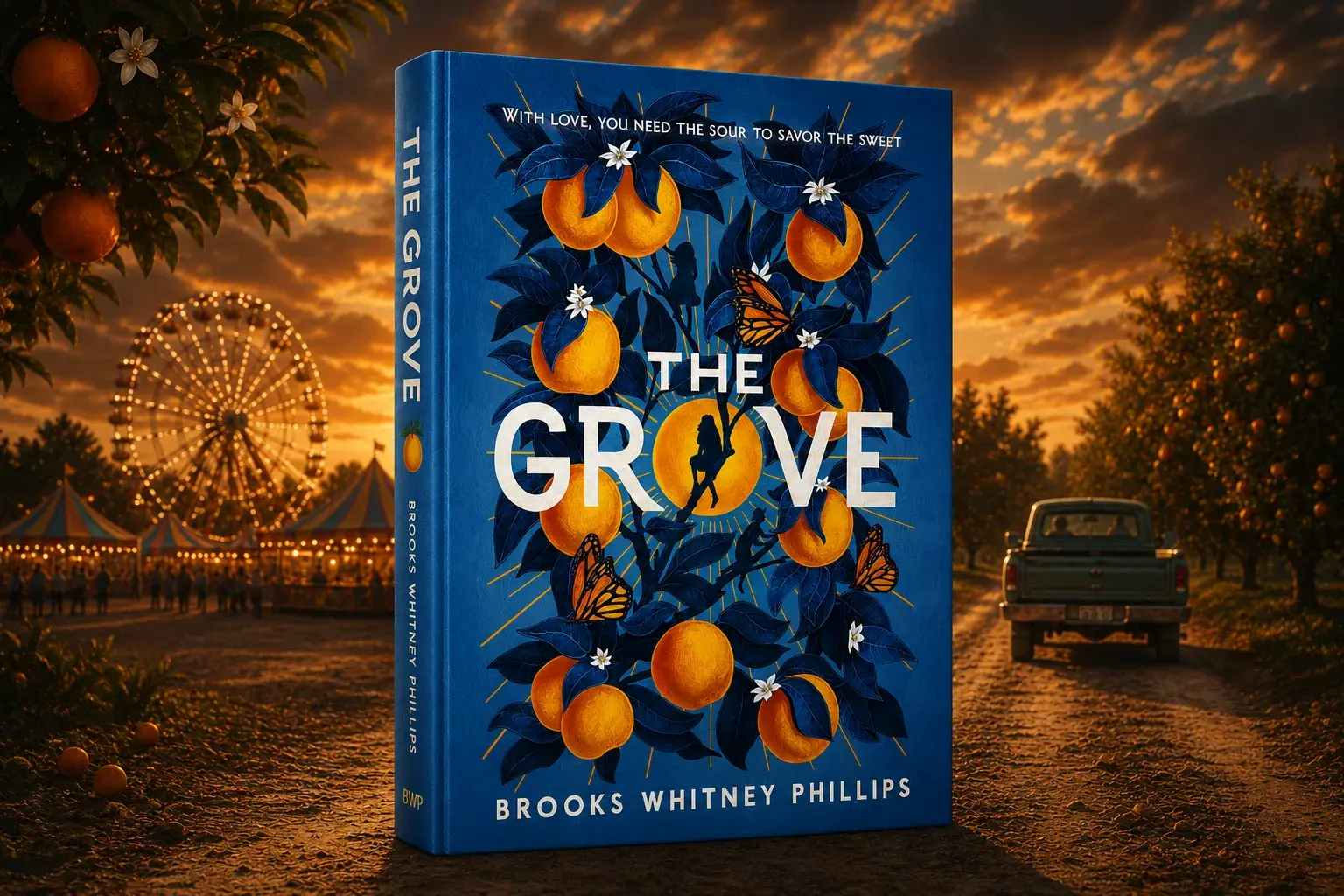
In the early 1960s, Central Florida was not the destination it would become. It was a world of red clay roads, citrus farms, and small towns where everyone knew the sound of the same church bell and the name of every family in every pew.
The Florida that shaped The Grove is not the Florida most people know. The Orlando of The Grove's era had no theme parks. No sprawl of hotels or interstate exchanges. The Walt Disney World Resort would not open until 1971, and when it did, it would begin the transformation of Central Florida from a rural citrus-growing region into one of the most visited tourist destinations on earth.
But in 1962—the year in which much of The Grove unfolds—none of that had happened yet. Central Florida was still a place of orange trees and cattle ranches, of quiet county roads that ran between small towns with populations in the hundreds. It was a world shaped by agriculture, by the rhythms of harvest and frost, by the particular culture of the people who had been there for generations.
The Florida Crackers
The people of rural Central Florida in this era were often called “Florida Crackers”—a term that has complex origins but came to refer to the old-stock cattle herding families of the state's interior. They were distinct from the plantation culture of the Deep South and from the resort culture of the coasts. They were people of the land, and they lived close to it in ways that left marks on how they spoke, what they ate, and what they valued.
“The grove was not just land. It was the whole world, and everything that mattered in it.”
A World on the Edge of Change
The early 1960s were a time of immense pressure on the rural South. The Civil Rights Movement was reshaping what was possible and what was no longer permissible. The old hierarchies of race and class were being challenged in ways that felt—to those who benefited from them—like the ground moving underfoot.
In The Grove, Pip and Sissy live in the middle of this tension without having names for it. They feel the fault lines in their community—who eats where, who works for whom, who is allowed to want what—without yet having the language of the larger movement that is beginning to name those lines for the injustices they are.
What Was Lost
The Florida that The Grove depicts is largely gone. The orange groves of Central Florida were devastated by a series of severe freezes in the 1980s and 1990s—the Great Freeze of 1983 and the Christmas Freeze of 1989 among the worst. Grove land that had been in families for generations was sold or converted. The citrus belt moved south.
What remains is in the names of towns and counties—Citrus County, Orange County, Grapefruit Boulevard—and in the memory of people old enough to remember the smell of orange blossoms in the air from miles away, in spring, when the whole interior of the state seemed to exhale something sweet.