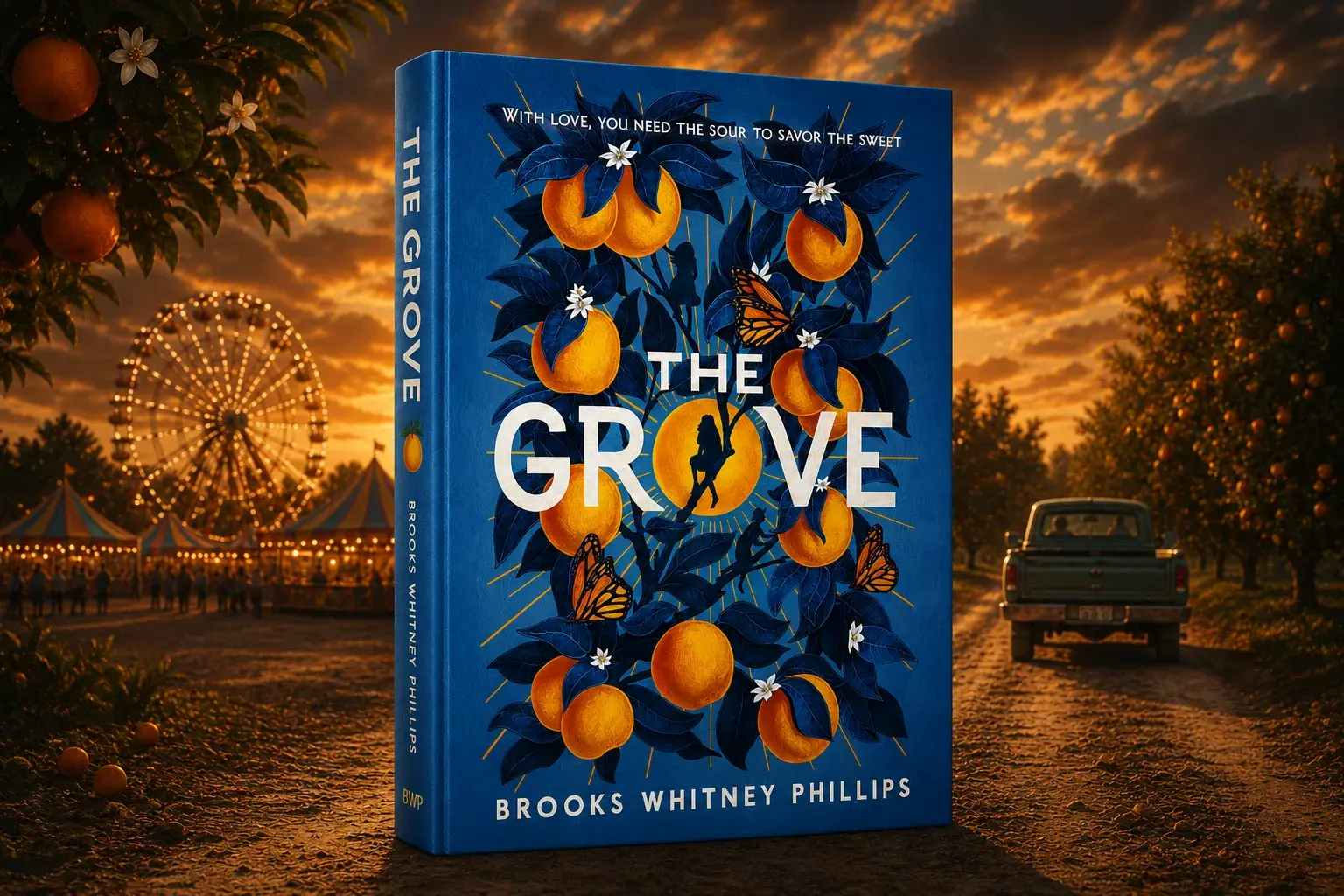
At the height of Florida's citrus industry, the orange groves of Central Florida were one of the most productive agricultural regions in the world. To grow up in them was to live by a different calendar—one measured in blossoms, fruit set, and frost.
The smell of orange blossoms in spring is one of the defining sensory experiences of Florida's interior. It is heavy, sweet, and slightly narcotic—a smell that carries for miles on a warm day and that those who grew up with it say they can recall instantly, decades later, simply by closing their eyes.
For the grove families of Central Florida, this smell was not a luxury or a tourist attraction. It was the smell of work, of livelihood, of everything that held the family together or let it fall apart.
The Economy of the Grove
Florida's citrus industry in the early 1960s was at near-peak production. The state produced the majority of the nation's orange juice, and the demand for frozen concentrate—developed after World War II—had opened new markets and new wealth for the industry's larger players.
For smaller family operations like the one in The Grove, the economics were more precarious. A single hard freeze could destroy a year's crop. Prices fluctuated with national markets that felt impossibly distant from a dirt road in Citrus County. The labor of picking—done largely by migrant workers, many of them Black or Caribbean—was exploitative in ways that the grove-owning families rarely examined directly.
“The orange could give you everything. And it could take it back just as fast, when the cold came down from the north.”
The Women of the Groves
In the family grove operations, women did much of the invisible work—the accounting, the household management that freed men to be in the fields, the preservation of fruit, the feeding of workers, the correspondence with buyers. Their labor was essential and largely unacknowledged in the official economy of the grove.
Pip and Sissy's story is, among other things, a story about that invisible labor and about two young women beginning to see it clearly—to understand what their mother has given and what they have not yet been permitted to want.
The Fading
By the early 1960s, the era of the small family grove was already beginning its long decline—though the catastrophic freezes that would devastate Florida's citrus industry were still two decades away. The pressures were economic and cultural: consolidation, mechanization, the movement of young people away from agricultural life and toward cities.
In The Grove, the fading of the groves is both literal and metaphorical. The trees are struggling. The family is struggling. The world that made them possible is beginning, slowly, to become the past.